November 24, 2026
Roof replacement is an essential aspect of property maintenance that every owner should understand. Whether due to natural wear and tear or unforeseen storm damage, replacing a roof directly impacts the safety, energy efficiency, and appearance of your building. Overlooking the need for a timely roof replacement can lead to significant structural issues and higher repair costs down the line. This guide outlines the key stages and considerations of installing a new roof to help you make informed decisions.
1. Roof Replacement Requires Understanding Core Basics
Identify Common Reasons for Replacing a Roof
Many factors can lead to the need for a roof replacement, with severe weather being one of the most frequent causes. Hail storms, heavy rains, and high winds can damage roofing materials and compromise water resistance. In addition, the natural aging of materials will eventually require a full overhaul, as routine maintenance can extend a roof's service life but cannot indefinitely prevent wear.
Compare Common Roofing Materials
Property owners have distinct options when it comes to roofing materials, each offering specific benefits for durability and performance. According to RubyHome, asphalt shingles are used in 80% of roofing projects. Asphalt shingles remain a widely chosen residential option due to their affordability, attractive appearance, and availability in a wide variety of colors and styles. Metal roofing systems, while requiring a higher initial investment, deliver exceptional protection against severe weather, reflect UV and infrared rays to lower cooling costs, and require virtually zero ongoing maintenance. For commercial buildings and multi-family properties, specialized flat, membrane, and TPO roofing systems provide reliable, weather-resistant coverage.
Evaluate Roofing Durability and Longevity
The expected service life of a roof depends heavily on the material selected, local climate conditions, and routine maintenance. Asphalt shingles offer dependable, long-lasting protection when properly installed and maintained, while metal roofing systems are engineered to provide decades of maintenance-free performance against harsh weather. Understanding how different roofing materials age helps property owners plan timely replacements and avoid structural issues caused by deteriorating roofs.
Spot Warning Signs of Roof Deterioration
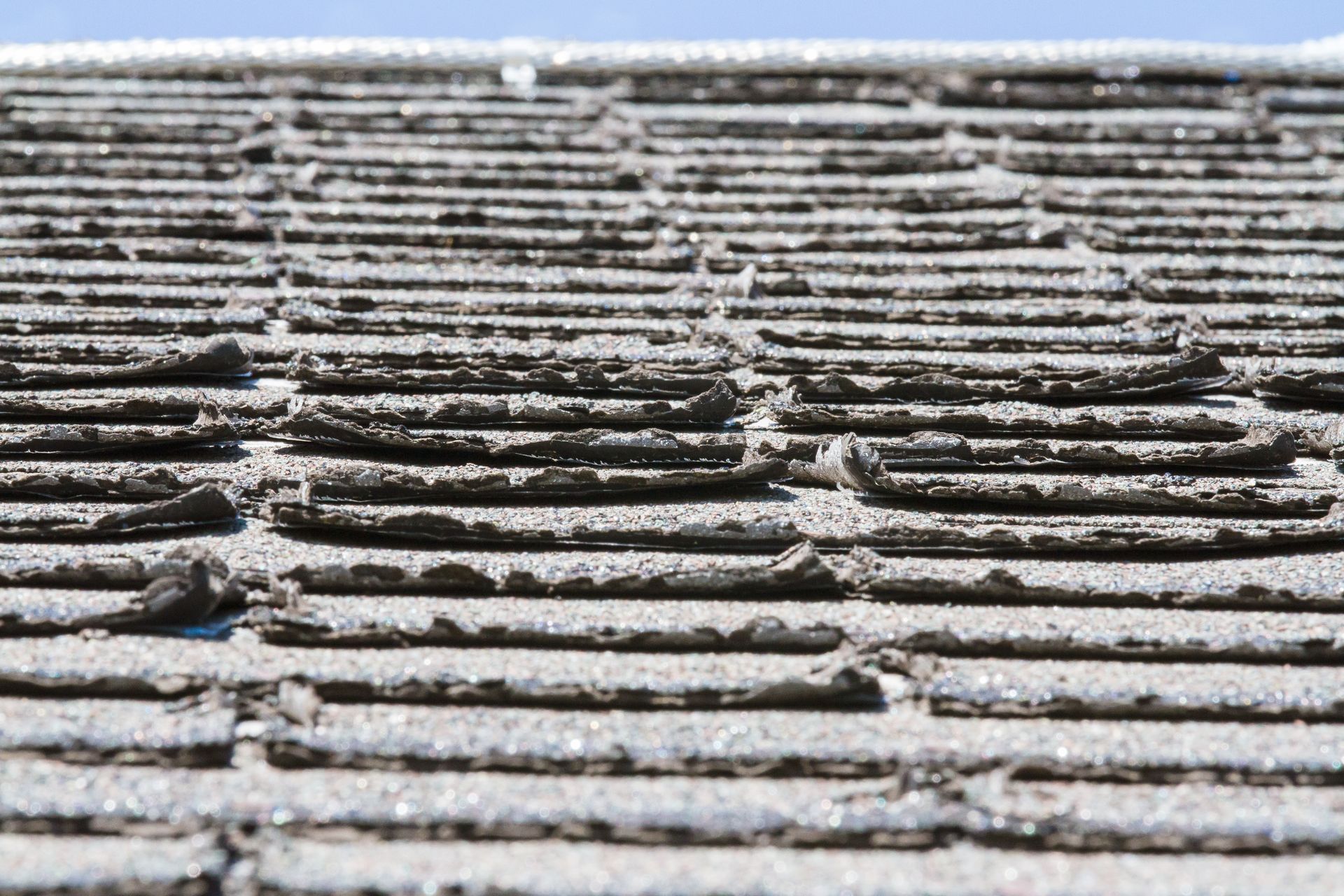
Recognizing the warning signs of a deteriorating roof is essential for avoiding costly interior damage. Common indicators include active leaks, cracked or curled shingles, wind-damaged or missing sections, and noticeable sagging. Left unaddressed, these problems can allow water intrusion that compromises the underlying roof deck. Regular professional inspections help identify issues early so you can plan an upgrade before structural damage spreads.
2. Successful Projects Depend on Smart Planning
Choose the Right Contractor
Selecting a reputable contractor is a crucial step in the installation process. Property owners should look for established contractors with full licensing and insurance coverage to ensure professional standards are met. Red flags to watch for include unverifiable references, lack of documentation, and high-pressure sales tactics. Thorough research and local recommendations help ensure a smooth, dependable experience.
Budget for Your Project
Effective budgeting is essential for a successful roofing project. Property owners should begin by requesting a detailed estimate to understand the full scope of material and labor expenses, as well as potential costs for permits or underlying structural repairs. Setting aside a contingency fund for unexpected decking or framing issues discovered during tear-off helps prevent financial strain once work begins.
Coordinate Timelines, Permits, and Site Prep
Replacing a standard residential roof often takes a few days to a week, depending on roof size, material choice, and weather conditions. Contractors help determine required local permits so the installation meets municipal building codes and safety standards. Before construction starts, property owners should move vehicles out of the driveway, relocate outdoor furniture and delicate landscaping items, and keep pets and family members clear of active work zones.
3. Installation Follows a Clear Step-by-Step Process
Conduct Initial Inspections and Tear-Offs
Before work begins, contractors conduct a thorough inspection to assess damage, confirm material choices, and identify vulnerable spots. The physical installation starts with a complete roof tear-off, which involves removing old shingles or panels so the crew can inspect the underlying roof deck and repair any hidden rot or structural damage. Responsible debris containment keeps your property clean and safe during removal.
Install Underlayment and New Materials
Once the deck is prepared, underlayment is installed as a secondary protective barrier against moisture and wind-driven rain. Next, the crew installs the primary roofing system, whether applying asphalt shingles, fastening metal panels, or sealing commercial membrane and TPO roofing. Following strict manufacturer specifications ensures lasting weather resistance and durability.
Complete Final Inspections and Cleanup
After installation is complete, the crew conducts a thorough final inspection of seams, flashing, and fasteners to verify quality and safety standards. A complete property cleanup removes all leftover materials, nails, and construction debris, returning your exterior to its previous condition. This final step confirms that the entire project meets high standards of workmanship.
4. New Roofs Deliver Long-Term Value and Protection
Maximize Core New Roof Advantages
A new roof delivers immediate and long-term advantages for both residential and commercial buildings. Complementary colors, textures, and styles refresh the building's exterior and add architectural definition for enhanced curb appeal. Reflective metal roofs and commercial membranes reduce UV and infrared heat absorption, helping lower cooling expenses. Furthermore, a recently replaced roof signals sound structural upkeep to prospective buyers and inspectors while eliminating recurring leak repairs.
Decide Between Repair and Replacement
Deciding between targeted roof repair and full replacement depends on the roof's age, material condition, and extent of damage. Localized issues, such as a few missing shingles or minor seam separation, can often be resolved with prompt repairs. However, widespread wear, recurring leaks, or an aging roof nearing the end of its service life generally make complete replacement the more cost-effective long-term solution.
Manage Weather Delays and Hidden Repairs
Rain, high winds, and snow can delay installation schedules and affect material adhesion, making weather-aware scheduling essential. In addition, hidden decking or flashing damage occasionally surfaces once old materials are removed. Working with an experienced contractor ensures these structural issues are properly repaired before the new roof goes on.
Navigate Roof Insurance Claims
When a roof is compromised by severe storms, hail, or high winds, navigating insurance coverage is an important part of the restoration process. Property owners should review their policy details carefully and document any exterior or interior damage before repairs begin. Working with an experienced roofing contractor who coordinates directly with insurance companies helps streamline documentation and ensures storm-related replacements are handled smoothly.
5. Modern Roofing Systems Offer Versatile Capabilities
Explore Energy-Efficient Metal and Membrane Systems
Modern roofing systems are designed to improve building efficiency while standing up to demanding weather conditions. Metal roofing reflects UV and infrared rays, helping reduce cooling costs while delivering decades of low-maintenance durability. For commercial facilities and apartment buildings, flat membrane and TPO roofing systems offer reliable weather resistance, seam integrity, and thermal efficiency.
Customize Styles and Multi-Family Solutions
Both asphalt shingle and metal roofing systems come in a wide range of colors, textures, and profiles to complement any architectural style. For commercial and multi-family properties, specialized crews handle everything from flat roof repairs addressing pooling water and seam separation to large-scale apartment complex installations with minimal operational disruption. These tailored options allow property owners to balance visual appeal with lasting structural performance.
Understanding the key factors behind a new roof empowers property owners to make confident choices that enhance safety, energy efficiency, and long-term value. From thorough inspections and clean tear-offs to selecting durable asphalt, metal, or commercial membrane systems, careful planning sets the foundation for a smooth project. When you are ready to explore residential or commercial roofing solutions across Central Ohio, reach out to TRC Services to learn more about expert installation, replacement, and repair options tailored to your building.